
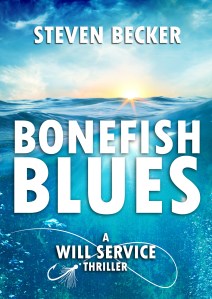
Bonefish Blues:
Will Service Thriller Book One
SPECIAL RE-RELEASE PROMOTION
ONLY 99c
(Reverts to the normal price of $2.99
on Dec 1)
 “I just couldn’t put this book down. A great plot filled with action. Steven Becker brings each character to life, allowing the reader to become immersed in the plot.”
Will Service, a mild-mannered fly fishing guide, is living the Keys lifestyle. When he finds his favorite bonefish flat is in jeopardy, and the secret it holds lethal, he soon realizes he is the only one that can make a difference. Together with the son of his nemesis and a beautiful local woman, they face off against a twisted mob boss and a crooked realtor who will stop at nothing to hide their secret and protect their development. Can they save the pristine Key?
Action and Adventure in the Florida Keys from Steven Becker, bestselling author of the Mac Travis series.
Featuring generous doses of boating, fishing, and the counterculture of the Florida Keys.
Revised, re-written and re-released.
Available in Kindle, Paperback and Audio formats



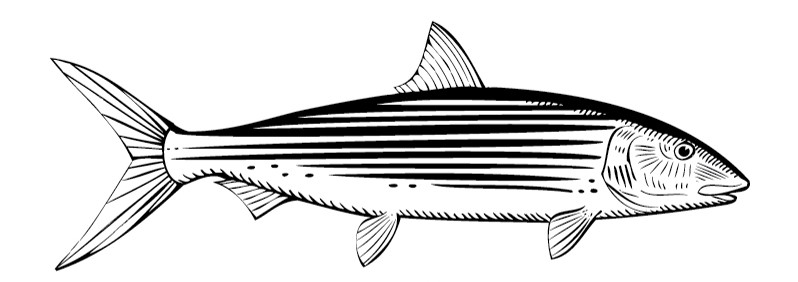 Bonefish have been given their name due to the numerous, tiny bones that are contained within their bodies. As a result of these, they are very difficult to eat and are caught mainly for sport. Bonefishing (as the pastime is called) is a catch-and-release sport popular in Florida and the Bahamas. Those that engage in it enjoy the skill required to lure this cautious creature in, and the fight that it puts up once hooked. This can be very stressful for the fish, and those that partake are encouraged to be considerate. The bonefish is not currently on any endangered species list, due to the fact that the majority of them are released once caught.
Bonefish are silvery in colour, with an elongated snout and yellow at the base of their pectoral fins. Normally surviving for between 19 and 23 years, they reach sexual maturity at ages 3 or 4. Preferring warmer coastal waters, in addition to Florida and the Bahamas, bonefish are usually found near Africa and Hawaii. They live primarily in shallow waters near coasts, in mangroves and around mouths of rivers. Possessing a lung-like swim bladder that enables them to breathe easier in shallow water, they get closer to the shore as winter approaches. Most of the fish spawn between November and May, usually laying their eggs in mangroves. After the eel-shaped larvae hatch, they remain here until they acquire the shape of an adult fish to enable them to venture into deeper waters.
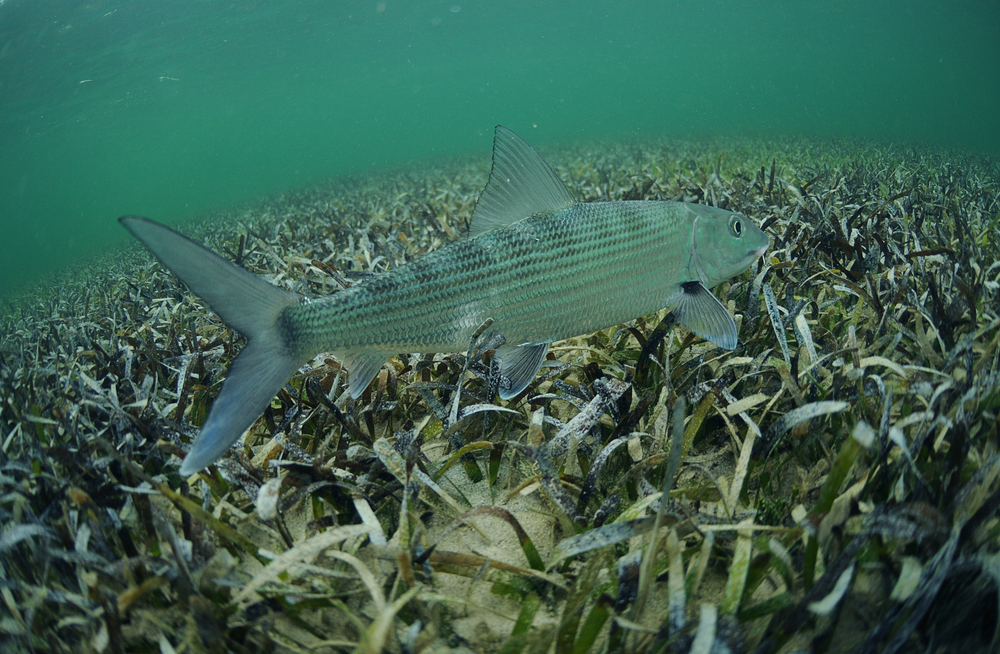 It is believed that bonefish do not stop growing and the older ones can become as long as three feet. Hunted by shark and barracuda, the silvery fish has become adept at slithering away at the first sign of danger. They live in schools of between 40 – 400, starting off at higher numbers which decrease as the members get older and bigger. The larger fish live in deeper waters, while the young live closer to the coast moving with the tide in order to feed.
Following stingrays to catch the small animals that they root up, bonefish feed on crustaceans, such as shrimp and crabs, molluscs and other fish. They use their long snout to dig up their prey, and hold them down, until the pharyngeal teeth that are located in the back of the mouth can align themselves with the meal. The prey is crushed at the back of its throat, and swallowed. When it catches prey in shallow waters, a bonefish appears to be standing on its nose while using its weight to restrict the struggling morsel. This causes their tail to be visible above the water, and observers normally refer to this feeding process as ‘bonefish tailing.’
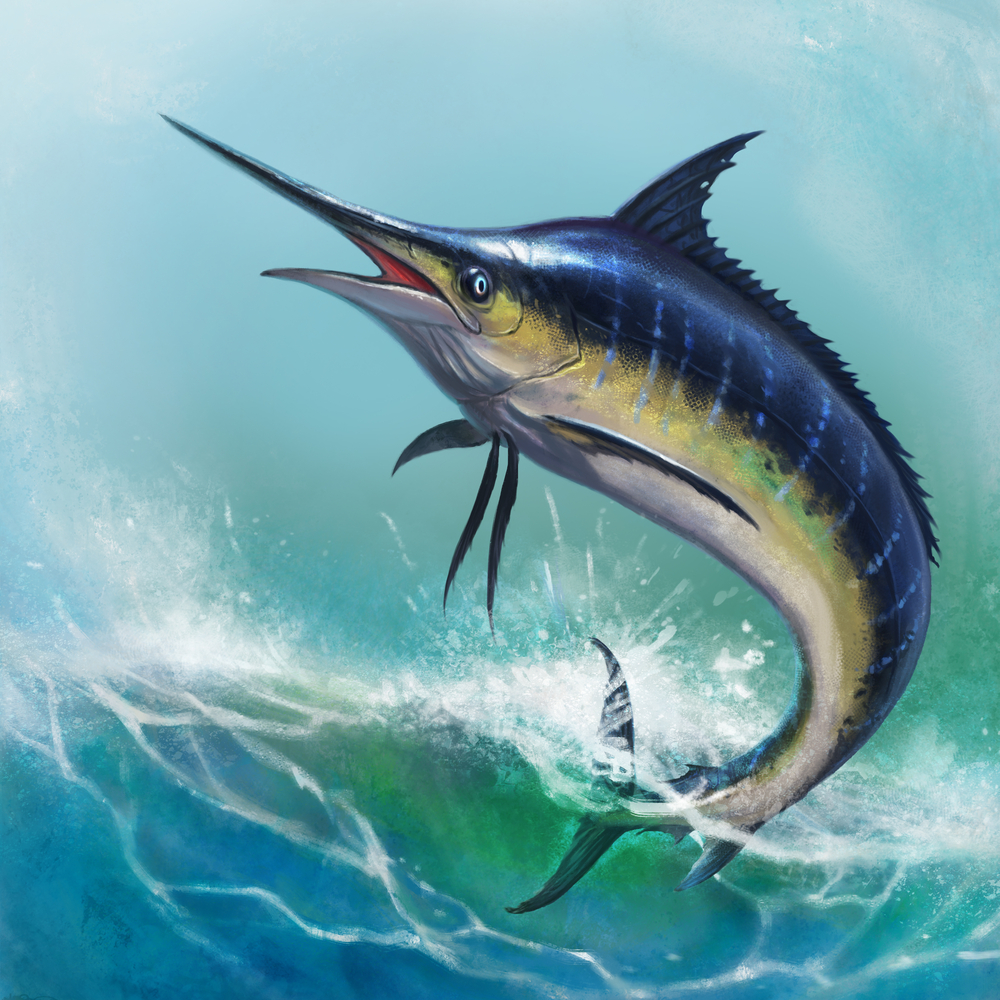 Marlins are often mistaken for swordfish and, even though both species are billfish, there are several differences in their appearance. Both have long spear-like bills, but marlins have more elongated bodies and smaller pectoral fins than swordfish. In addition, there is a long, rigid fin located on its back which forms a crest near the fish’s crown. Its name is believed to have originated from the resemblance it bears to a sailor’s marlinspike, and the species belongs to the largest order of vertebrates (perciform).
There are several different types of marlin including white, black and striped. The blue marlin is one of the most popular, and authors Zane Grey and Ernest Hemmingway wrote extensively about their blue marlin fishing experiences. Preferring to remain in a tropical climate throughout the year, they are found in the waters of the Atlantic, Pacific and Indian Oceans and are one of the biggest fish in the world. Spending most of its time in deep ocean waters, the fish feeds mainly on smaller species that travel in schools such as tuna and mackerel. They stun or kill their prey, using their bill, by diving repeatedly through the school and then return to eat them after the others swim away. The jaws and the roof of their mouths are covered in small, sharp teeth which assist when they are chewing.
Blue Marlins are extremely fast swimmers, being able to reach speeds of 80km/hr. They are also able to rapidly change colour, using pigments within their body and light-reflecting skin cells. Even though they are normally a silvery blue colour, they can appear anywhere between silver and black. The thick, bony elongated scales that their bodies are covered with will sometimes help add to this illusion.
 In most marlin, the female can grow up to four times larger than the male reaching a maximum length of 5m and weighing up to 815kg. Their bill is about 20% of the length of their body. Their body’s high fat content means that they are considered highly prized game fish, due to their popularity in certain markets. One example of this is their use Japan to make sashimi. Many of the fish also get caught in tuna nets, and the blue marlin was recently added to Greenpeace International’s seafood red list.
The marlin can be home to many parasites, including flukes and tapeworms, and infestations can affect its feeding patterns. Even though they have few natural predators apart from large pelagic sharks, such as the great white, the blue marlin has also been added to the list of endangered species due to the fact that it’s been the world’s greatest game fish since the 1920s.
 The Earth’s deepest underwater trench is located in the Pacific Ocean, just east of the Mariana Islands. Formed by a process known as subduction, which is when a tectonic plate is submerged by another, the Mariana(s) Trench is crescent shaped and extends about 1500 miles long and 43 miles wide. In 2009, as a part of the Marianas Trench National Monument, the entire area became a US protected zone.
The trench’s maximum known depth is located within a small valley at its southern end, called the Challenger Deep. It was first measured in 1875 when scientists aboard the British ship HMS Challenger used a weighted sounding rope to record the depth. Their measurement of 5 miles remained until 1951 when the HMS Challenger II returned to the same spot and, using an echo-sounder, determined that it was actually 7 miles beneath the surface of the ocean.
The water pressure at this depth is about 1000 times the atmospheric pressure at sea level. In addition, the trench is also devoid of natural light and the temperature remains between 1 and 4° Celsius. These conditions make it hazardous for any human explorations to take place. Even so, there have been two people brave enough the journey.
In 1960, Jacques Piccard and Lt. Don Walsh descended in a US navy submersible. It took them 5 hours to get to the bottom, where they remained for only 20 minutes. As a result of the silt that was stirred up because of their submersion, they were unable to get any pictures of the underwater scenery. Their journey proved one very important fact; that life could exist at these depths, as their floodlights illuminated the waters enough for them to view various types of sea creatures within close proximity of their vessel.
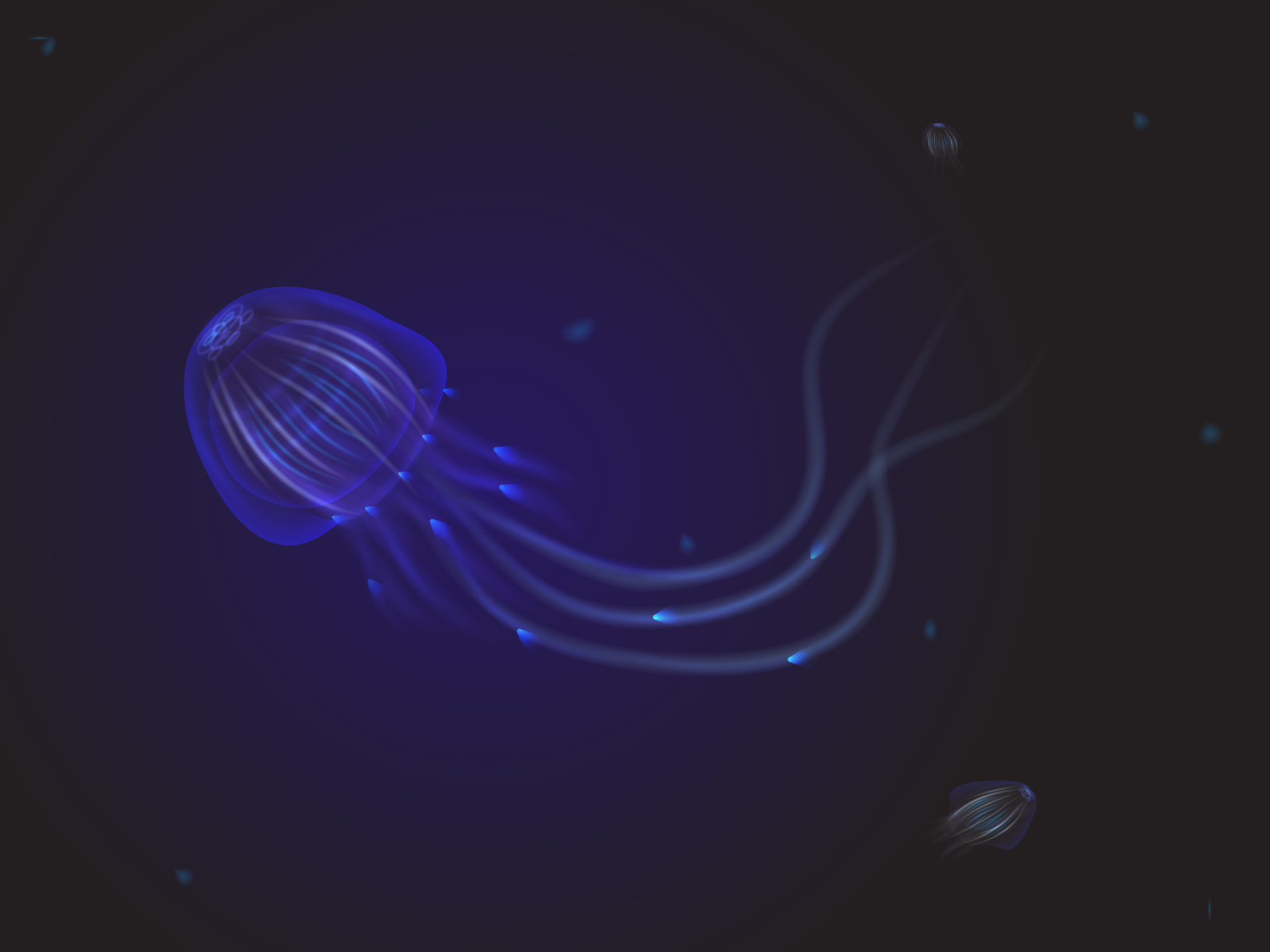 Some scientists, at the time, maintained that what Piccard had identified as a flatfish might have been a form of sea cucumber. They argued that the pressure under that amount of water would be so great that calcium would not be able to exist in any solid form. This meant that the bones of all creatures in the trench would disintegrate. Unmanned subs sent to the depths proved them wrong, however, as they have recorded shrimp-like amphipods and unique translucent creatures, called holothurians. Scientists are still only able to speculate as to how the animals are able to survive here.
There is also the theory that studying the microorganisms which live in the trench might be able to shed light about the evolution of the species on our planet. Researchers believe that the conditions at the bottom of the ocean would have been ideal to facilitate the emergence of the first lifeforms. As the exploration continues and technology advances, they hope that more of these questions will be answered.
“Action & Adventure in the Florida Keys”
 Short post today just to tell everyone that Wood’s Relic, the first book in my best selling Mac Travis Adventure series is $0.99 to download to your kindle today only. Tomorrow it reverts back to its normal price.
Take advantage while it’s at this price and please share with your friends.

Thanks,
Steven
 In September 2016, Hurricane Matthew left a path of destruction through many countries, including Cuba, Haiti and the United States. What began as a tropical wave off the coast of Africa, quickly escalated into the first Category Five hurricane in nine years. It is believed that Matthew caused the deaths of over 1000 people, the majority of these from Haiti, as well as an unbelievably high amount of structural damage. This is only one of many natural disasters that have caused a serious blow to Haiti’s economy in recent years.
After leaving the Caribbean, Hurricane Matthew progressed along the coast of America where four states had to declare states of emergencies. Even though the hurricane was now a Category Two, with winds up to 105mph, it battered the Florida coast where thousands of people had to be moved into shelters for its duration. In addition to people being advised to leave their houses, hospitals and nursing homes which were located near the coast also had to be temporarily evacuated. There were 4 casualties caused by Matthew in Florida, two from separate falling trees and a couple who got carbon monoxide poisoning from running their generator. Many places in the state were left without power as the hurricane moved on.
Hurricanes are intense storms which form over the eastern Pacific or Atlantic Oceans, and are one of the most destructive natural occurrences. Depending on the location of the storm they can also be called typhoons or cyclones. There are only two requirements for their formation: warm ocean water, which becomes the fuel for the storm, and an adequate amount of wind to propel it.
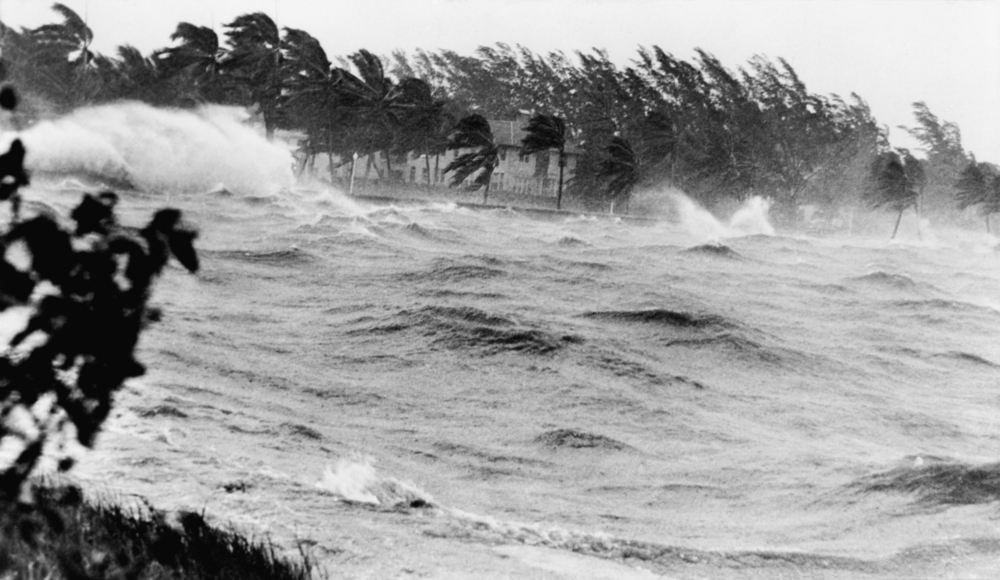 Whenever the warm air rises, an intense low pressure zone is formed above the ocean’s surface. Air from the surrounding area, with a higher air pressure, enters this low pressure zone and becomes warm, rising as well. The cycle continues and the water which has risen begins to form clouds. As the storm moves on, the clouds and winds spin and grow. These faster wind speeds create a rotation effect and an eye forms in the middle of the storm, which is very calm and clear.
The category of each storm is determined by the speed of the surrounding winds, and many of those that form remain ‘tropical storms’. Once their wind speeds reach 74mph, they become a Category One hurricane. There are various wind speeds which determine the category, with the highest being Category Five having wind speeds of 157 mph or above. Hurricanes will weaken, and eventually die out, when they progress far enough in land that they are no longer being fed by the warm ocean water. In addition to the winds, hurricanes cause lots of rain and flooding due to the clouds which form a major part of the storm.
Survival beneath sea level can be difficult and creatures that live here have adapted in order to do so. Their general appearance and features can be extremely different from the animals that live on land. Some of the ones with a unique appearance are:
-
 Leafy Sea Dragon
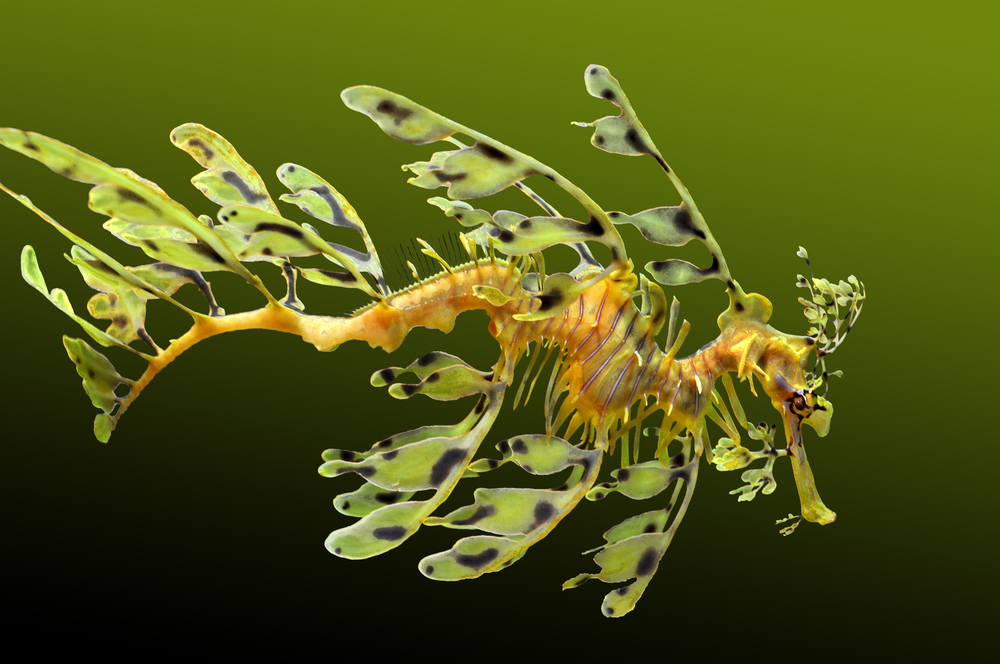
Looking almost identical to a seahorse-shaped piece of seaweed, this type of fish is found mainly off the coast of Australia. They normally grow to anywhere between 20 and 24cm long, feeding on small crustaceans and plankton. Their leafy appearance makes it easier for the fish to hide from predators, and they swim close to the reefs where they can ‘disappear’ when necessary.
- Anglerfish
Thought to be one of the scariest looking fish in the ocean, anglerfish have large heads and snarling mouths. They reside in the depths of the Atlantic and Antarctic Oceans and of the species are between 20cm and 1m. The female has a light that radiates slightly above her mouth and is used to attract prey, which she will then shred with her sharp, transparent teeth.
- Wobbegong
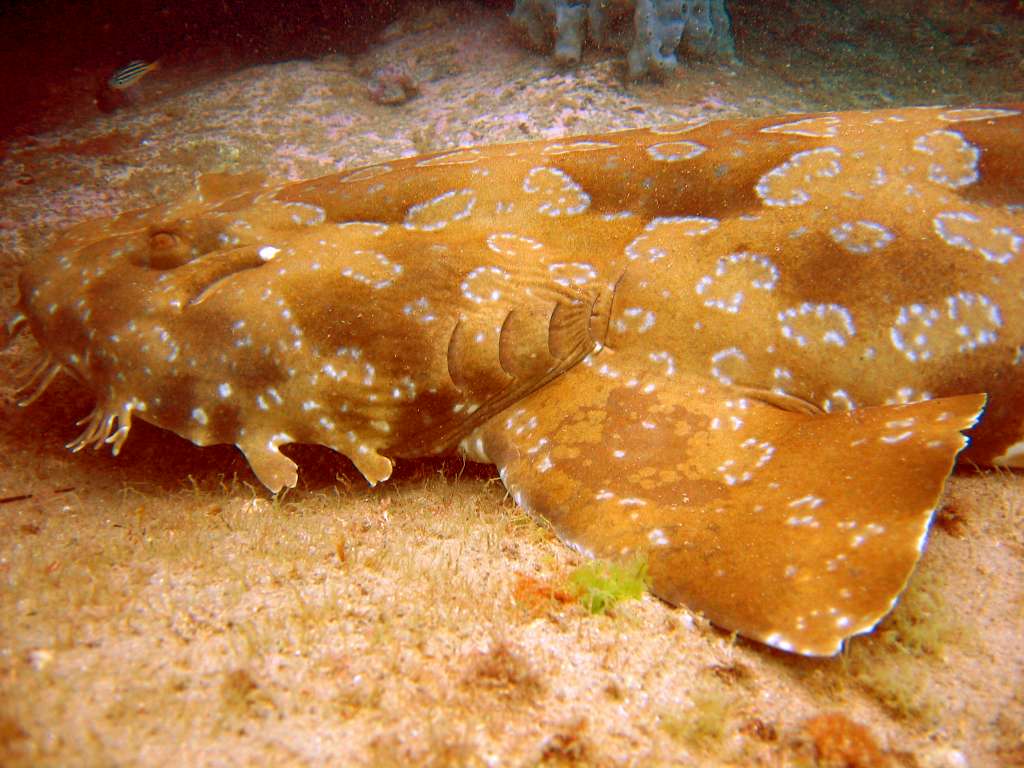
CC BY-SA 3.0, https://commons.wikimedia.org/w/index.php?curid=64470
At first glance these sharks look like discarded pieces of carpet, lying on the sea floor. They spend most of their time waiting for their next unsuspecting meal which can include fish, octopuses, and crustaceans.
- Handfish
There are several different species of handfish, including red, pink and spotted, and their name has been derived from the fins that they use to walk along the ocean floor which look almost exactly like human hands. Handfish are found in the waters near Australia and Tasmania, and can grow up to 15cm long. As a part of their natural protection, their skin is covered in tooth-like scales called denticles.
- Northern Stargazer
These fish are found mainly off the coast of the United States, and their name comes from the fact that their entire face is located at the top of their head, making them appear to be looking upwards constantly. In order to catch prey they bury themselves on the bottom of the ocean, where their muddy brown body provides the perfect camouflage, surfacing when a tasty morsel swims above them.
- Blob Fish
This fish has been voted as the ugliest animal in the world, because of its droopy face and lumpy appearance. The blob fish lives in very deep waters, and is mostly found off the coasts of Australia, Tasmania and New Zealand. Floating directly above the ocean floor at incredible depths, the fish has no skeleton and very little muscle mass, because they would inhibit its ability to survive with the pressure of the water above it. This causes its entire body to droop when taken out of the ocean, and we have only been able to see them after they have died. The blob fish has become an endangered species, even though they are inedible, because they get trapped in the nets which are combing the bottom of the ocean and die while being lifted out.
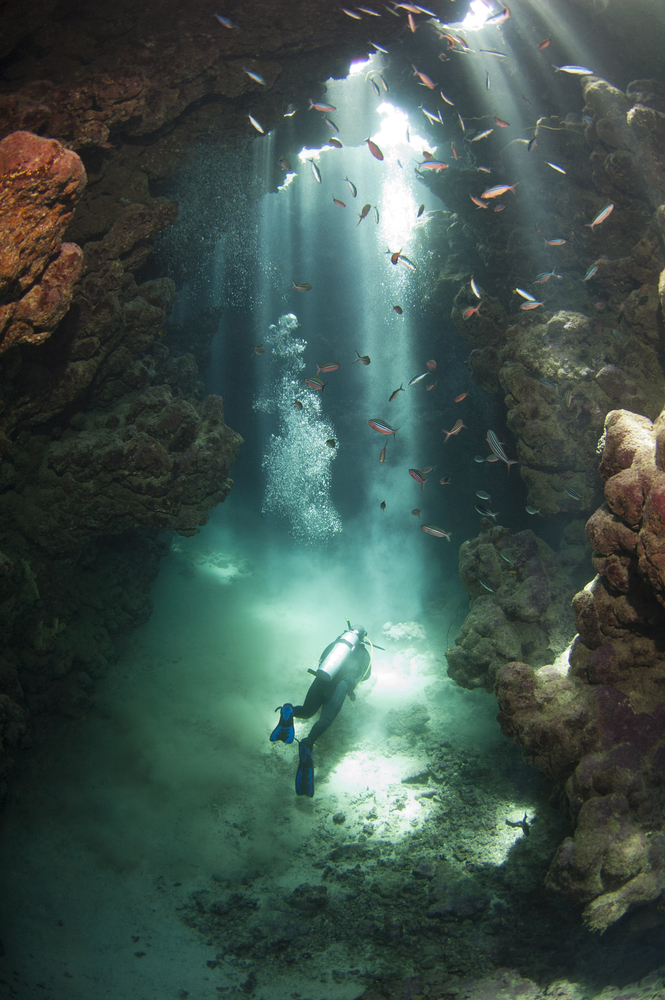 Underwater exploration can be very exciting and divers add to this by learning to explore submerged caves. These dives are normally more risky than others and, even though many divers are hesitant about increasing the difficulty of their adventures, cave diving is still being more popular. In the United States most of the best places to cave dive are found in Florida, because of its terrain and warm waters. Before their initial dive, explorers have to be trained and develop special techniques in order to be able to handle the increased level of difficulty within the caves.
- Telford Cave Diving Systems
This relatively shallow cave has three entrances, which are in close proximity to each other. The cave’s maximum depth is 70 ft., which makes it a good option for newbies as well as limits the need for compression. Even though the cave has one primary passage, which ranges from tall vertical fractures to wide bedded areas, there are a few minor ones that lead away. The range of formations to explore on the major pathway means that amateurs can fulfil their underwater examinations, without having to venture off the original path.
- Little River
Located on the banks of the Suwannee River, this cave features a corkscrew tunnel as its entrance which divers need to descend before arriving at an underwater cavern which has a relatively constant depth. Throughout most of the cave this is between 90 and 100ft. For the first 900ft in, it consists of one main tunnel which divides into the Serpentine and Merry-go round. They remerge in The Florida Room, which becomes narrower and has lots more silt the further down divers venture. As a result of centuries of water flow, there are various shapes sculpted into the cave walls that divers enjoy exploring.
-
 Devil’s Eye Cave System
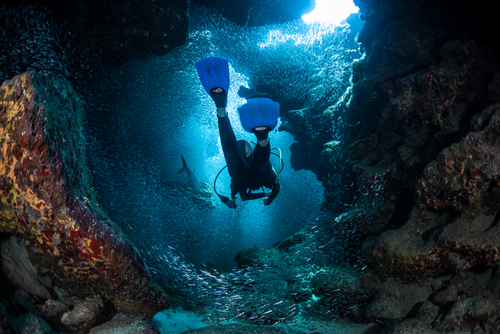
This large cave has over 30,000 ft. which can be explored. As a result of the sheer size of the system there is much of the cave that still hasn’t been professionally mapped out. Located in the Ginnie Springs Resort Complex, the Devil’s Eye Cave System has two entrances, Devil’s Eye and Devil’s Ear. They are close to each other, and merge in a large passage called the Gallery.
As a result of both its size and location the cave is perfect for divers to learn the technicalities of diving in caves. A series of unlined, interconnecting passages, known as the Catacombs, are a favourite for instructors to teach extensive reel practice. Experienced, more adventurous divers are also offered the opportunity to explore constantly, starting 450ft into the cave, in the Junction Room and the passages which branch off into several directions.
“Action & Adventure in the Florida Keys”
Short post today just to tell everyone that Wood’s Relic, the first book in my best selling Mac Travis Adventure series is $0.99 to download to your kindle today only. Tomorrow it reverts back to its normal price.
Take advantage while it’s at this price and please share with your friends.
Thanks,
Steven
Recreational diving is an excellent way to observe sea animals in their natural habitats. Scuba diving can scare the creatures away, because of the noise and bubbles caused, and many people free dive as a better alternative. The diver relies on their ability to hold their breath, instead of using any form of equipment, whenever they are free diving. In this way they can get closer to the marine life, as well as manoeuvre better in cramped spaces. Some of the most beautiful places to really experience the marvel of free diving are:
 1. Kuda Giri Wreck, Maldives
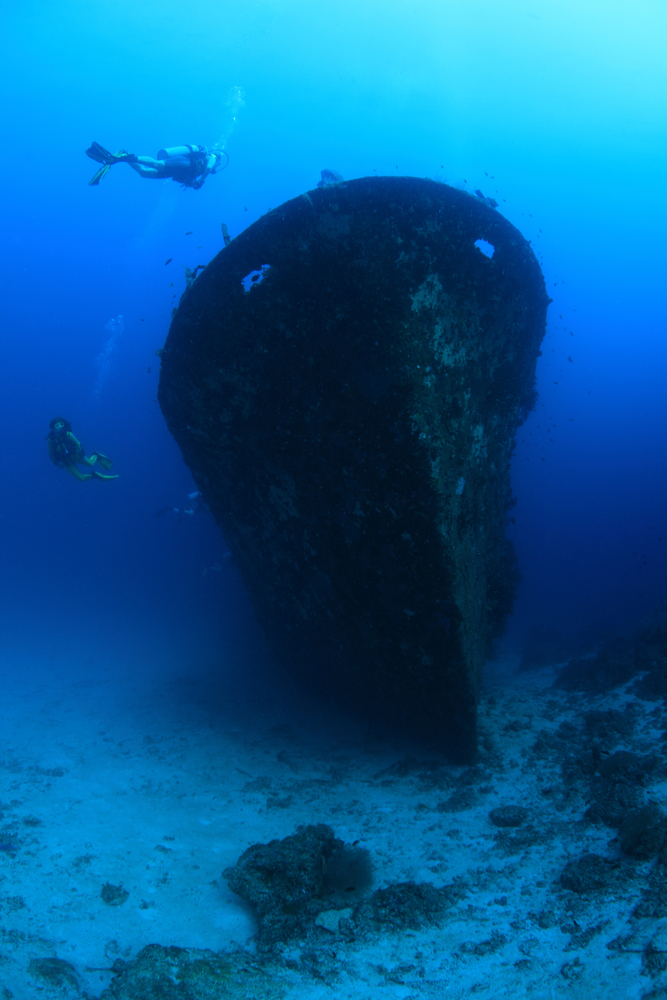
The nooks and crannies of underwater shipwrecks are the homes of some of the most fascinating creatures. The Kuda Giri wreck is an upright one which is located 31m off South Male Atoll in the Maldives. The water is normally warm with good visibility, and various animals including barracuda, turtles, glass fish and Whitetip sharks can be seen in and around the wreck.
2. Sunken Plane, England
Located near Chepstow, England is a sunken plane that attracts experienced free divers. The dive is considered an overhead one, meaning that there is no direct access to the surface if anything goes wrong. In order to exit the craft the diver would need to dive further before being able to go up. The plane’s inner passages are extremely dark, and narrow doorways and exposed metal beams increase the dive’s difficulty.
3. Dahab, Egypt
The blue light which radiates in this dive spot has been described as one of the most beautiful sights to be witnessed under the sea. This dive is not one for amateurs, as the underwater plaques demonstrate, but the splendour and rare animals which will be seen are definitely worth it.
 4. Tofo, Mozambique

The warm waters of Tofo attract a large amount of whale sharks to the area. The animals are about the size of a bus, but are able to disappear quickly if they feel threatened. They feed on the plankton that can be found in the water between March and October, and can either be seen in large groups or as individuals.
5. Antarctica
If you are able to ignore the freezing waters of Antarctica long enough to enjoy the experience, it is recommended that free divers explore here at least once. There are many large animals visible, including leopard seals and humpback whales and the clarity of the water spectacular.
 6. Sri Lanka

The water surrounding Sri Lanka provides a rare opportunity to observe sperm whales in their feeding environment. The warmth of the Indian Ocean is a safe haven for the giant mammals as well as an endless source amount of food. After thy have fed most divers can initiate contact when they come up for air.



 Steven Becker