
Hi Guys,
The big news is that Wood’s Revenge, the seventh book in the Mac Travis Adventure Series will be released in a few weeks. The manuscript is with my editor now and I’ll give a firm release date when I get it back. As usual, the book will be discounted for the first few days of release, so keep your eyes open. Here’s a little teaser – my map of locations.
Wayne Stinnett and I have been friends since our first books were released only weeks apart in 2013. The coincidence of having Wood and Jesse’s islands less than two miles apart was not 
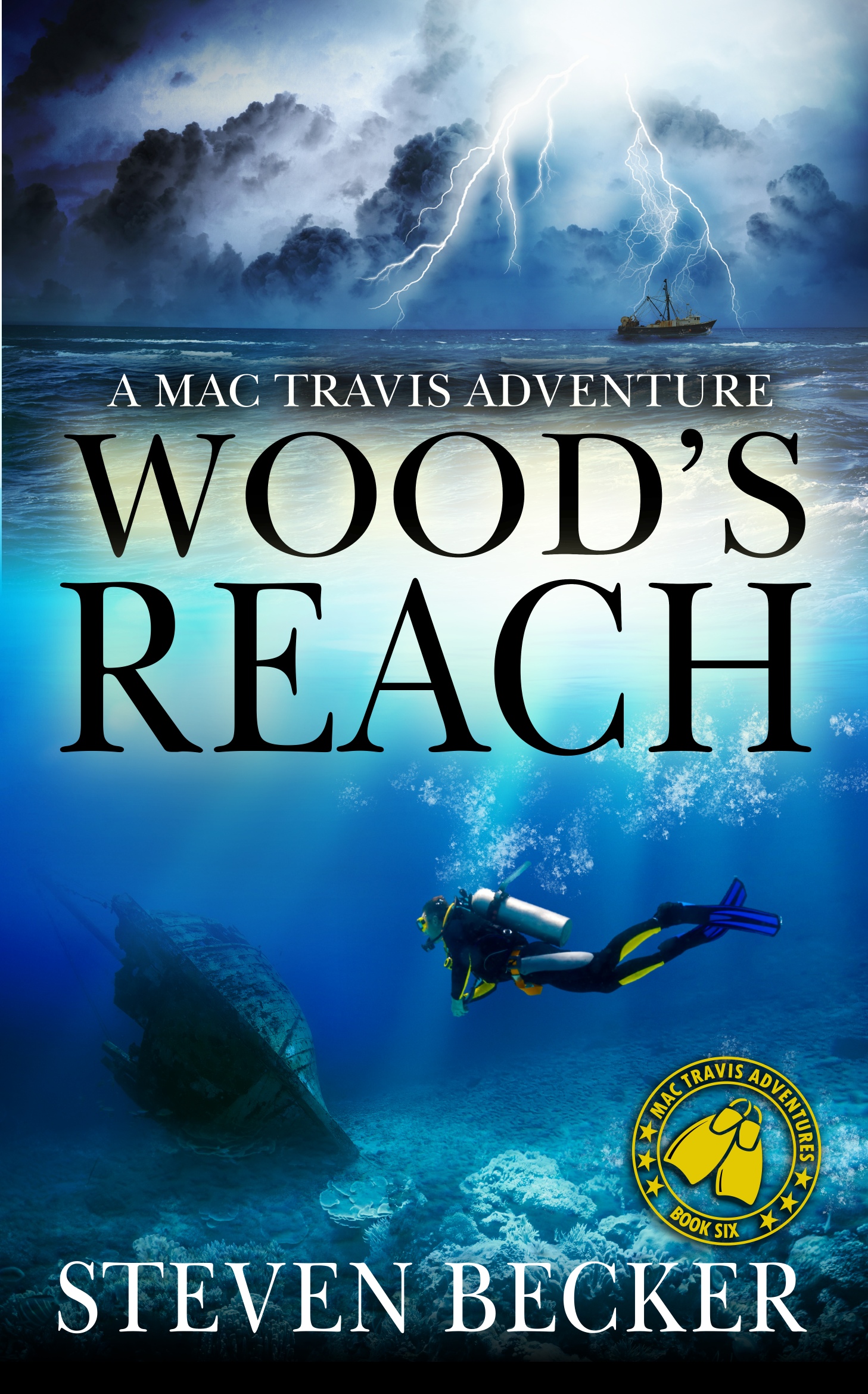 lost on us. Since then we have shared characters and locations. Mac and Trufante make a few cameo appearances in his new book Fallen Hero. Jesse makes an appearance in Wood’s Reach and several scenes in Wood’s Revenge feature The Rusty Anchor.
 A big thanks to all for your help in making the release of Dorado Duet a big success. The reviews have been positive and the book is holding a 4.7 average on Amazon. Prior to the release, I rewrote Bonefish Blues and Tuna Tango. If you’d like to see some of the background and research on the book, check out the author’s guide. The book is available in Kindle and Paperback now and the audio book, narrated by Paul McSorley was released earlier this week.
I’ve got a lot planned for 2017. Right now, I’m working on the second Storm book, which will be set mainly in Hawaii. After that, Mac and Tru will be back and then Nick and the gang from Tides of Fortune will be heading to Mexico.
Have a great day,
Steve
I made a sea change in this installment of the Will Service series — or should I say an ocean change. Writing in first person allowed me to get into Will’s head. He is a different kind of guy and the switch to the book narrated through his eyes, I hope, gives a better portrayal of him. The setting also makes a major move from the Atlantic to Pacific Ocean.
I draw from my personal experience for most of my books and several trips came together giving me the idea for Dorado Duet and Will was the guy to make it happen.
The Baja Ha Ha is a rally that takes cruisers from San Diego to Cabo. It’s an easy run and a party of sorts. The return trip, the Baja Bash, is quite the opposite. In fact, many sailors abandoned their dreams in the southern latitudes rather than fight the winds for the return trip. Those boats with loans are often abandoned, those owned outright are sold for pennies on the dollar. Will is good with both his hands and boats. He’s the perfect guy for long haul boat repos.
Two trips gave me the background and premise for the book. One was a five-day kayak excursion in Desolation Sound in British Columbia. Jamie, our guide, led kayak trips during the summer. In the off-season, he would take his savings, fly to south, and buy one of these abandoned boats. He would then sail it back to the States and sell it. This was the perfect job for Will, though lacking resources, he was forced to work as a repo man before he could afford to buy a boat.
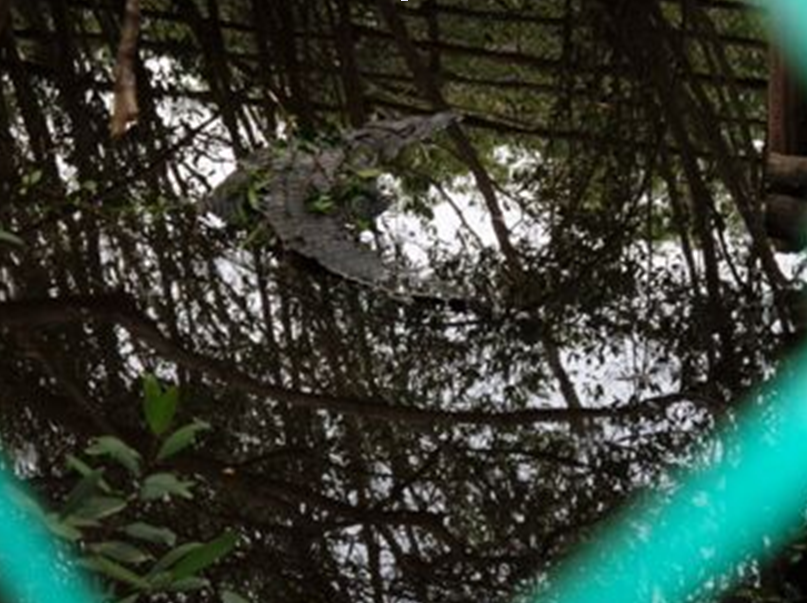 The other trip was a self-guided road trip to the western coast of Mexico. We followed the coast from a small town north of Puerto Vallarta called Lo De Marcos to our southern stop in La Manzanilla. Many of the locations from the book come from this trip. We camped less than a mile from the Crocodile Lagoon featured toward the end of the book.
Several Scenes from the book feature launching small boats from the beach. This is how it’s done:

The title, Dorado Duet, is in line with, Bonefish Blues and Tuna Tango. The dolphin fish has several names, depending on geographic area: dolphin in Florida, mahi mahi in Hawaii, and dorado in Mexico. I’ve caught my share over the years, mostly in the Keys, but my most memorable was hooked from a kayak.  On a weeklong excursion around the Loreto area, on the Baja Peninsula, I trolled a lure most of the way. One day, separated from the others in my group and hooked what I would guess was a fifteen-pound Dorado. The fight lasted considerably longer than from a power boat and I remember being towed for a ways before bringing the fish to the boat. Unfortunately, I was alone and unprepared. Dolphin are infamous for fighting as hard once they are boarded as they do in the water. Before I could even figure a way to bring the fish aboard without being torn to shreds, it bumped the leader and was off the hook.
Check out Dorado Duet now available on Amazon
 The origin of the name of the dolphinfish is unknown, but there are several speculations about it, These include the fact that they swim with dolphins frequently, as well as jump out of the water when chasing their prey in imitation of the mammal. There are two species of dolphinfish: the common dolphinfish and the pompano dolphin. Both species can be found in the same habitat and, even though the pompano dolphin is smaller in length, they are so similar in appearance that they are normally referred to as the same fish. Another name for the dolphinfish is the mahi-mahi (or mahi mahi), which means strong in Hawaiian.
Dolphinfish can be found in offshore temperate, subtropical and tropical waters. They are surface dwellers and known for their beautiful appearance and bright colours. These normally include a dazzling golden hue on the sides, and a combination of blues and greens on their backs. As a dolphinfish is perishing it will gradually lose its colouring, eventually becoming a dull yellowish shade of grey upon death. In addition to their dominant colours, they may have three diagonal black stripes on each side.
Mahi mahi have compressed bodies, and a single dorsal fin extending along their entire length. Their pectoral fins are an iridescent blue, and both their anal and caudal fins are crescent shaped. The common dolphinfish can grow to be as long as 6 feet, and weigh between 80 and 90 pounds. Mature males have prominent foreheads, whereas the females have rounded heads and are usually smaller. They normally live between 4 and 5 years, reaching sexual maturity by the time they are 4 or 5 months due to their quick growth rate.
 Females spawn 2-3 times per year and lay between 80,000 and 100, 000 eggs each time. They spawn in warm ocean currents and their larvae can normally be found in seaweed. Microscopic larvae can grow to be a foot and a half within 3 months of being born. Their survival rate is also very high making it unlikely that the species will become endangered, even though they are frequently caught for both sport and consumption.
Mahi mahi live in large schools, and are attracted to floating objects such as logs where they find prey hiding. Their diet mainly consists of flying fish, squid, mackerel and crabs. Due to their long, slender bodies dolphinfish are fast swimmers, and their strength ensures that they put up a good fight whenever caught. This makes them popular among sport fishers, who will toss live sardines into the water, causing the dolphinfish to begin a feeding frenzy. Lines are then cast into the midst in order to hook the fish, which puts up a spectacular display of colour flashes in its attempt to escape.
Sailing is currently one of the world’s fastest growing hobbies. Every year at the end of October there is a fantastic opportunity to enjoy a journey with other people who have the same interest. Sailors are invited to take part in a boat rally from San Diego, California to Cabo San Lucas, México. The event first began in 1994, and has gradually built up momentum due to the ease of signing up and making friends within the boating community. The 750 mile journey has had in excess of 10,000 participants since its inception, and continues to grow each year.
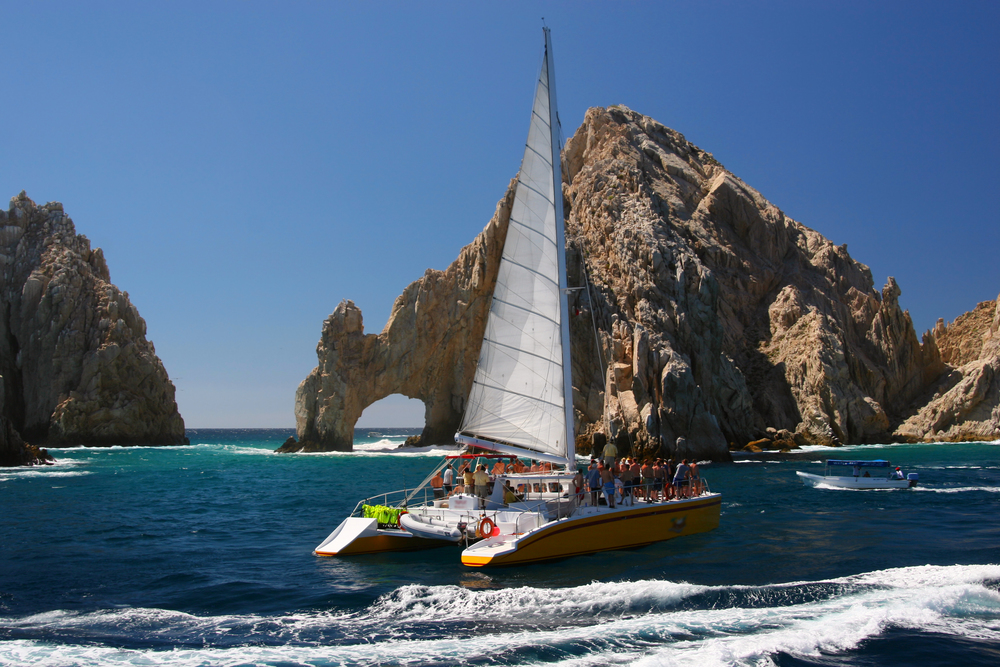 The Baja Ha Ha is a family event, and sailors of all ages can enjoy in the festivities. Organisers’ main aim is to ensure that everyone arrives safely in Cabo San Lucas, enjoying the journey along the way. Any boat that is over 27 feet and has been designed for ocean sailing, and is being properly maintained, is welcome to join. Participants will need to sign-up in advance and single-handing is not allowed. Each boat will need to have at least two crew members with overnight offshore experience, who are in good health and physical condition. Organisers do recommend four or more members per boat, due to the speed and intensity of the journey. Typical sailing conditions along the way are light-to-moderate following winds, and small-to-moderate seas. Weather forecasts are also passed along by roll call each morning, to ensure that participants know the conditions they will be sailing in.
 The rally normally begins with a Costume Kick-off Party in San Diego, and there are at least two beach parties along the way. These take place in Turtle Bay, a lovable little fishing village where sailors can enjoy some time venturing out, and Bahia Santa Maria, a secluded spot which only attracts visitors during the boats expected stop. Rests periods are timed so that even those on boats that are lagging behind will spend at least a day and a half on shore. The crew will also need to be self-sufficient for the entire length of the journey.
Even though Baja Ha Ha refers to the rally, Baja Bash refers to the route that is taken from Cabo San Lucas to San Diego. Even though the return journey is more difficult that the rally, participants normally have few incidents as the seas are calmest in November and December. The voyage back to San Diego can take between 10 and 14 days, depending on the boat’s speed and whether or not there are stops. Cruisers also take this route during April and May, to trade in California, and many face turbulent weather conditions, spending long periods resting at the halfway point of Turtle Bay.
The Steven Becker Starter Library
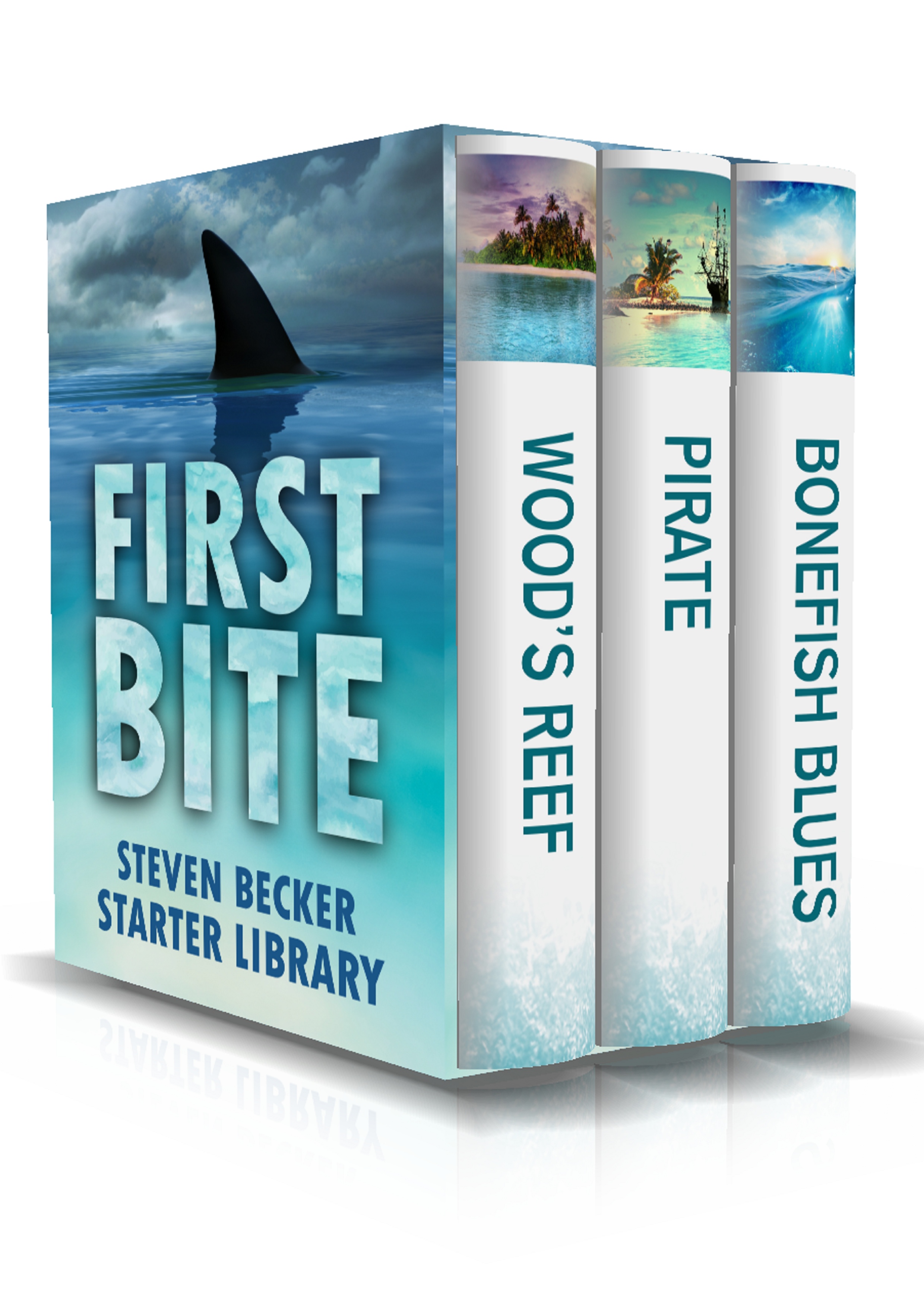 This is an amazing opportunity to download three books to your Kindle from three of my series.
Wood’s Reef
It’s easy to become invisible in the Florida Keys. Mac Travis was doing his best to keep a low profile: diving, fishing, and enough salvage work to pay his bills. It’s a good life until he discovers something while spearfishing that could change the pristine Keys forever.
Pirate
After decades at seas, pirate legend Jose’ Gasparilla is prepared to retire. As he and his crew split their treasure, the promise of one final prize lures the ship back into action. Little do they know that the purported riches are nothing but a trap set by the fledgling U.S. Navy!
Bonefish Blues
A mob boss and a corrupt realtor team up to sell a pristine island in the Florida Keys – but the island has secrets that the brochures doesn’t show. When a local fishing guide sees something not meant for his eyes, he becomes embroiled in their plot, trying to save his own life as well as the island.
DOWNLOAD NOW!

Have a great Christmas and thanks for your support during 2016
Steven

The third instalment of the Will Service Eco Thriller series is out today.
“From The #1 Bestselling author or the Mac Travis Adventure Series comes a new hero”

It’s a last chance for Will Service. Bringing boats back from Mexico and Central America seems like the ideal gig for a boat bum. But his latest job becomes complicated when he is offered a large bounty — a payoff big enough to set him up in his own business. The only problem is the boat is owned by a gangster who is still aboard. The situation is further complicated by two beautiful sisters. One has been kidnapped and is being held aboard the boat; the other who’s motives are murky has attached herself to Will.
Follow Will as he chases the boat from Baja to the Pacific Coast of Mexico, trying to save the contract, the woman and above all, his own neck. Features plenty of sailing, boating, diving and fishing action along the way.
ONLY $2.99 ON KINDLE FOR THE FIRST 48 HOURS OF RELEASE

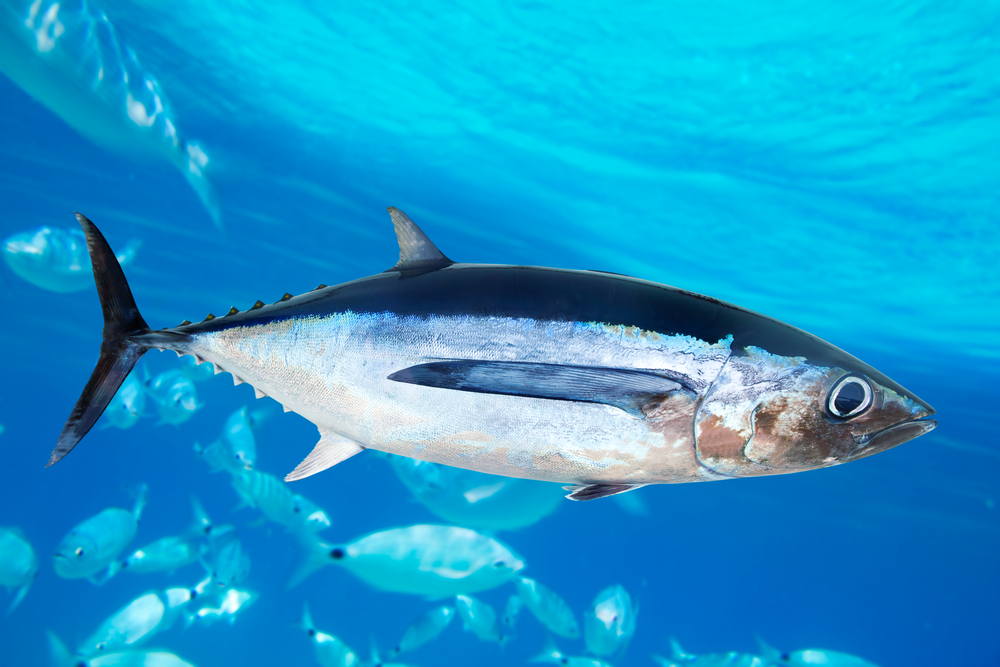
One of the most widely distributed fish in the world; the tuna can be found in several different oceans. All species of tuna are able to control the temperature of certain parts of their body. This allows them to keep themselves warm enough to operate at maximum efficiency, regardless of the temperature of the water surrounding them. Even though each species has its variations the majority of tuna have adapted for speed, with two closely spaced dorsal fins on their backs. The first of these is depressible and is able to lay flat in a special groove. Tunas also have crescent shaped tails with points at either end. Some of the more popular species are:
 Albacore
Having a life cycle of about 5 years, albacore can be found in Thailand, Indonesia, Spain, United States and Japan. They have dark blue backs, and their flanks and bellies appear blue-grey. Their meat is white and is normally compared to chicken in both texture and taste.
Skipjack
The most popular type of tuna for consumption, the Skipjack can be distinguished by 4 to 7 large stripes on its belly. Their backs are dark blue with a defined area of green directly above the pectoral fin. This fades towards the middle of their body, and they are well-known for having short fins.
Normally found swimming in the upper, mixed layers of ocean waters, the species has a life span of between 3 and 4 years. As a result of their frequent migration, Skipjack can be found in many different tropical countries. They mature quickly, at about one year, making it almost impossible for the species to be overfished.
 Yellowfin
Easily recognised by the sickle shape of both their anal and dorsal fins, yellowfin have a life cycle of about 7 years. As a result they get very large, and are the second most prevalent species of tuna worldwide. Their size means that they can swim at very high speeds, which makes it easier for them to swim beside schools of dolphin.
Bigeye
Very similar in appearance to the yellowfin, bigeye tuna can be hard to spot from a distance. Up close, however, their large eyes and long pectoral fins characterise the species. They swim at greater depths than most other tuna, and because of this have a high fat content to provide insulation in colder waters.
Northern Bluefin
This species has a dark blue or black back, and silvery sides. They can be found in the waters of the Northwest Pacific, Northeast Atlantic and the Mediterranean Sea. The member of the tuna family with the longest life cycle, the Northern Bluefin can live up to 25 years. This means that they become very large, and are also the rarest tuna. Their unique texture and high fat content makes them very popular in Japanese cuisine. As a result of their slow growth and over fishing the species is now threatened, causing a catching quota to have been implemented in some areas of the world.
Tuna Tango:
Will Service Thriller Book Two
SPECIAL RE-RELEASE PROMOTION
ONLY 99c
(Reverts to the normal price of $2.99
on Dec 13)
 “A riveting tale of intrigue and terrorism, Key West characters in their full glory! Fast paced and continually changing direction – I’m hooked!”

Will Service is living the Keys lifestyle until a hurricane swamps his boat and destroys his unfinished house. A family friend offers him an opportunity to get back on his feet, and he takes the challenge of rebuilding an iconic fish house on St. Petersburg Beach – a job unique to his abilities.
The stakes are raised when a black market fish smuggling business is discovered on the property, and one of his delinquent workers steals a huge Bluefin tuna. The poachers take his girlfriend hostage to ensure his cooperation and protect their business forcing Will into a race to save her and shut down their operation.
Action and Adventure in the Florida Keys from Steven Becker, bestselling author of the Mac Travis series.
Featuring generous doses of boating, fishing, and the counterculture of the Florida Keys.
Revised, re-written and re-released.
Available in Kindle, Paperback and Audio formats



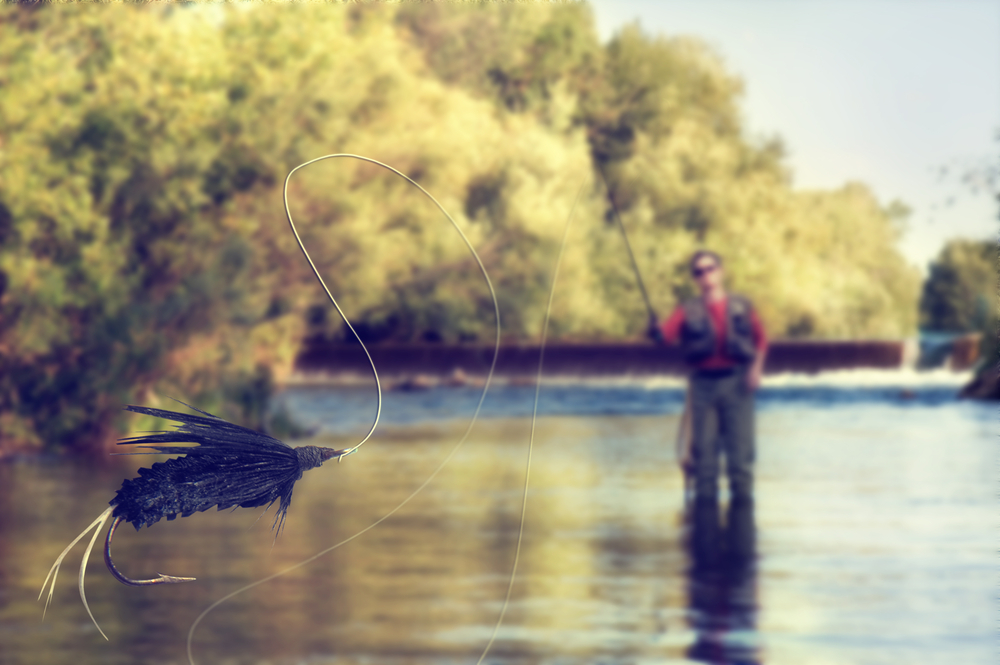 Used mainly as a sporting method, fly fishing uses an artificial fly as bait in order to hook a fish. The fly is normally cast using a rod, reel or a special weighted line and the catch thrown back into the water after the fight. The technique is used in both fresh and salt water areas and with so many islands, its warm waters and the large variety of fish found there, it is not surprising that the Florida Keys is a popular fly fishing destination.
A haul casting method is the one recommended for use in the waters, as the technique enables those that are fishing to cast against the wind. It also normally allows them to use heavier lines to throw flies longer distances. This is the best way to achieve the casting distance needed to catch the agile, suspicious gamefish that reside in the area.
The fishes’ nature is not the only obstacle the fly fisher will need to overcome, as the unique, beautiful habitats in the Florida Keys provides many hiding places. In addition to snook and redfish, the other types of fish frequently that are frequently caught are:
Bonefish
The species of bonefish that reside in the Florida waters are particularly smart and wary, meaning that there is the requirement of extreme stealth in order to catch them. Flitting through the shallow waters near the coast, they possess both a high sensitivity to noise and remarkable vision. Casting for this fish will need to be done with both extreme skill and caution.
 Permit
Even more difficult to catch than the elusive bonefish, permits normally have an extremely heightened intuition. A perfect cast must be done in order to catch one as they allow the fly fisher no second attempt. Considered by those in the sport as the gold medal catch of fly fishing, they are definitely not for beginner attempts.
Tarpon
An inhabitant of both shallow coastal waters and the deeper ones further out to sea, this fish is also one of the more difficult ones to fool. Even though a variety of techniques can be used to catch them, their aggressive eating methods and determination to survive means that they put up a lengthy, difficult fight whenever they are hooked. Great strength and endurance is required in order to pull this fish in, and they demonstrate specular displays when jumping out of the water during the battle. Larger fish can resist for hours but fly fishers are advised to ensure that these fights don’t exceed 45 minutes, so that the fish doesn’t perish from exhaustion after being released.

I’ve got three books out at the moment that are reduced to just $0.99 each, including the newly relaunched Bonefish Blues.







 Steven Becker